
Apartment Renovation in Sydney
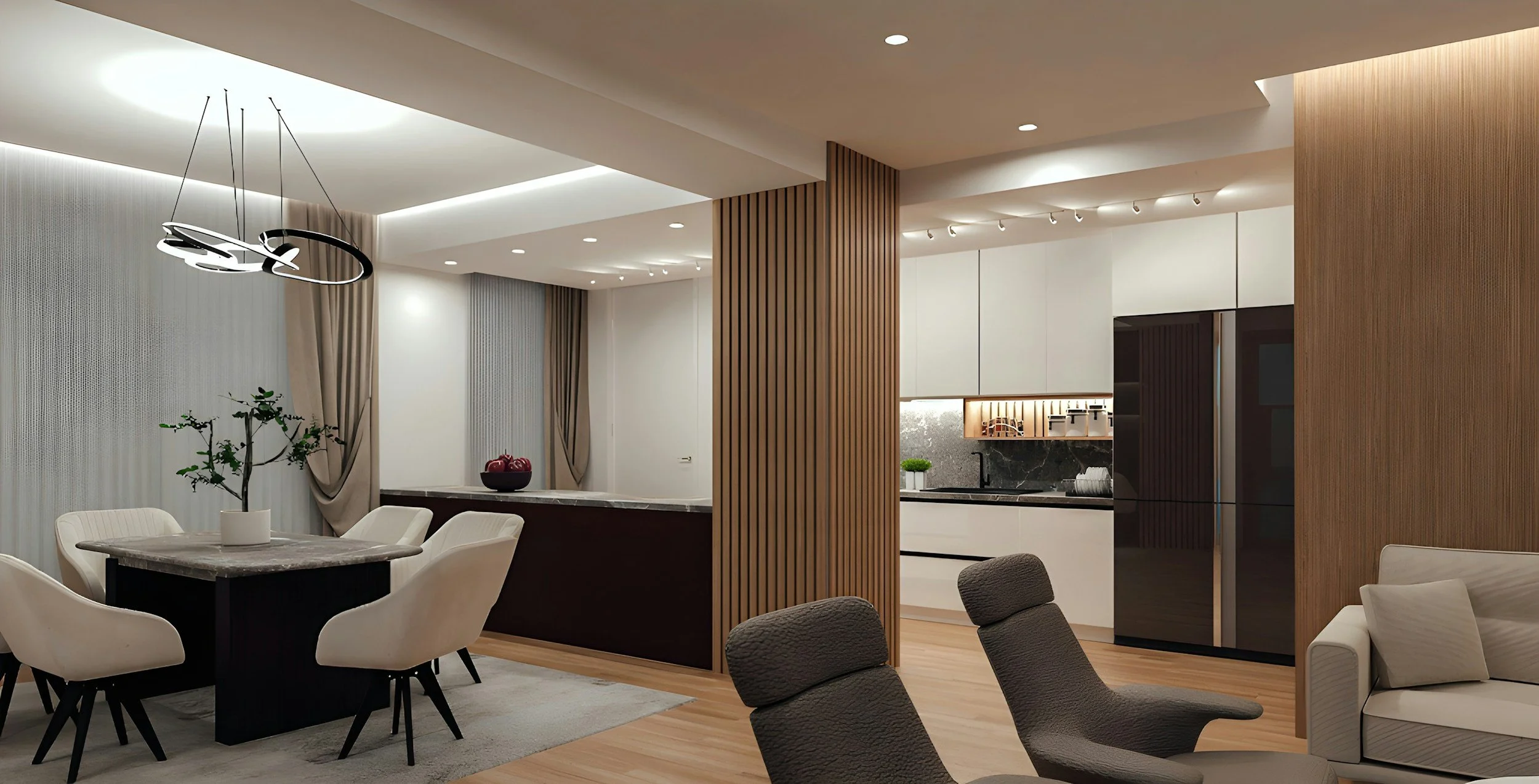
Renovating an apartment in Sydney comes with unique considerations that don’t apply to standalone homes. Most apartments here are under a strata title, meaning you own the interior of your unit but share responsibility for common property with other owners. Knowing what you can and cannot change, and when you need formal approval, is essential for a smooth renovation.
Understanding Strata and Your Lot vs Common Property
Under NSW strata arrangements, your apartment is divided into:
Lot property: The interior space you own and can usually renovate.
Common property: Shared elements such as external walls, stairwells, roofs, windows, balconies and structural elements. These generally require Owners Corporation approval for any changes.
Before starting work, check your strata plan and your building’s by-laws to see what is defined as common property and what you own. This will guide what permissions you need.
Types of Renovations and Approval Requirements
Strata renovations in NSW are typically grouped into three categories:
1. Cosmetic Work – No Approval Required
These are minor, non-structural changes that do not affect common property or building systems. They generally do not require formal strata approval, though you should still check your by-laws. Examples include:
Interior painting and decorating
Filling small holes or cracks in walls
Installing shelves, hooks, curtain rods or blinds
Replacing carpets within your lot only
These changes should still be done considerately as noise and dust may affect neighbours.
2. Minor Renovations – Approval Required
Minor renovations usually involve more than cosmetic changes and may affect common property or essential services. Most require written approval from the owners corporation or strata committee before work begins. Examples include:
Kitchen upgrades, including new flooring or cabinetry
Changing flooring like hardwood or tiles
Recessed lighting or electrical rewiring
Installing air conditioning, heat pumps or new wiring
Reconfiguring internal walls (if not structural)
These renovations typically need an ordinary resolution or committee approval and before you begin work you must lodge a written proposal.
3. Major Renovations – Special Approval Needed
Major renovations involve structural changes or alterations to common property. These require a special resolution (usually 75% support from owners at a general meeting) and, in many cases, a specific renovation by-law. Examples include:
Bathroom renovations with waterproofing
Removing or altering structural walls
Changing windows, balcony doors or external features
Modifications that affect shared plumbing or building infrastructure
For major renovations, detailed plans, compliance documentation, insurance, and sometimes legal support will be needed.
Strata Approval Process and Timing
Step 1 - Review By-Laws
Every strata building has its own by-laws that may expand or refine what is allowed without approval or what must be approved. Consulting them early prevents issues later.
Step 2 - Submit an Application
Depending on the renovation type, submit your proposal and any required documentation to the owners corporation or strata committee.
Step 3 - Attend Meetings (if needed)
For minor or major renovations, the proposed works may be discussed at a strata committee or general meeting. Plan ahead — minor approvals can take 1–2 weeks, and major renovations may take 4–6 weeks or more.
Step 4 - Commence Work After Approval
Once approved, proceed with your renovation in line with the conditions specified by your strata committee or owners corporation. Always keep records, compliance certificates, and insurance documents for resale or leasing.
Common Mistakes to Avoid
Starting work without approval: This can lead to orders to restore your apartment to its original state, fines or disputes.
Not checking by-laws: Requirements vary between buildings — what one strata allows as cosmetic may require approval in another.
Ignoring noise, waste and safety rules: Even cosmetic work needs consideration for neighbours within close proximity.
Final Tips
Always plan early and communicate with your strata manager.
Hire licensed tradespeople who understand strata requirements.
Prepare compliance and insurance documents ahead of time.
Consult a legal professional for major renovations that involve structural changes or common property.
Renovating a Sydney strata apartment can transform your living space and add value, but requires the right planning and approvals to ensure a smooth, compliant process.
