
2026 Interior Colour Trends in Australia
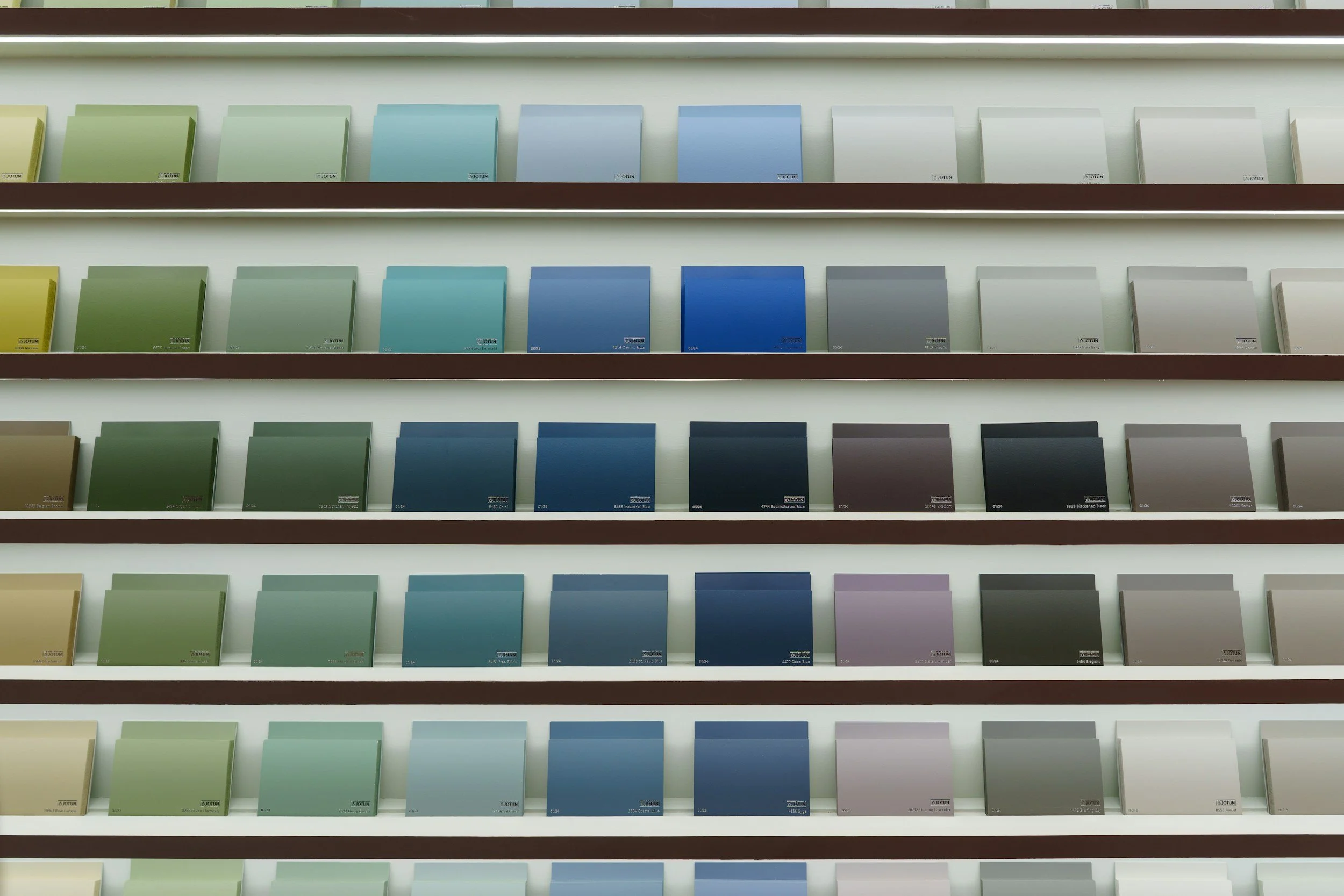
As Australian homes move into 2026, interior colour trends are becoming warmer, more expressive, and deeply connected to nature. Inspired by Dulux’s evolving colour direction, homeowners are stepping away from cool greys and embracing palettes that feel grounded, timeless, and emotionally rich.
Whether you’re planning a full renovation or refreshing key spaces, these colour trends reflect what’s shaping modern Australian interiors in 2026.
1. Warm Earthy Neutrals Take Centre Stage
Cool greys are being replaced by soft, warm neutrals that create a more inviting atmosphere. Dulux’s neutral families are shifting toward tones that feel sun-baked rather than stark.
Popular directions include:
Warm beige and natural stone tones
Soft clay and limestone hues
Mushroom and warm greige neutrals
These colours work exceptionally well in Australian open-plan homes, pairing effortlessly with timber flooring, textured finishes, and abundant natural light.
2. Muted Greens Inspired by the Australian Landscape
Green continues to dominate 2026 colour trends, especially earthy, desaturated greens inspired by eucalyptus, bushland, and coastal foliage.
Trending green tones include:
Olive and eucalyptus greens
Soft sage and moss
Deep forest green for accents or joinery
These shades bring calm and balance, making them ideal for kitchens, bathrooms, and bedrooms. Green cabinetry and feature walls are becoming a refined alternative to white-on-white interiors.
3. Softer Coastal Colours with Natural Warmth
Australian coastal interiors are evolving beyond bright whites and blues. In 2026, coastal palettes feel more relaxed and sun-washed, with warmth built into the base tones.
Expect to see:
Chalky off-whites and warm whites
Sandy beige and dune tones
Muted blue-greys and seafoam hues
This approach creates coastal spaces that feel elevated and timeless, rather than overly themed.
4. Statement Colours Used with Purpose
Bold colour isn’t disappearing—but it’s being used more intentionally. Dulux’s approach to colour in 2026 focuses on depth and contrast, not excess.
Popular statement shades include:
Terracotta and burnt clay
Rust, copper, and warm oxide tones
Deep plum and charcoal accents
These colours are often applied to feature walls, custom cabinetry, or powder rooms, adding personality while keeping the overall palette cohesive.
5. Colour Choices Designed for Longevity
One of the most important colour shifts for 2026 is the focus on long-term appeal. Colour palettes now prioritise shades that age well and complement natural materials, rather than fast-moving trends.
This means:
Layered neutrals instead of flat whites
Subtle contrast rather than bold saturation
Colours that support resale value
For Australian homeowners, longevity is becoming just as important as visual impact.
How to Apply 2026 Colour Trends to Your Renovation
When selecting colours, it’s essential to consider natural light, room orientation, and surrounding materials. In Australian homes, where indoor–outdoor living is a key part of the lifestyle, colour choice plays a major role in creating comfort and visual cohesion.
Working with a renovation professional helps ensure current colour trends are applied in a way that suits your home’s architecture and lifestyle, rather than feeling overly trend-driven.
Thinking about renovating in NSW?
Speak with Grace Design & Construction for expert guidance before you start.
